
It never ceases to amaze me how concerned people are with visible structures in their environment, such as mobile phone masts, substations, transmission cables and pylons, and yet they are seemingly unconcerned about the electro-pollution they introduce into their own homes. I guess it must be a case of what you can’t see can’t hurt you. But that is a dangerous assumption and quite misguided.
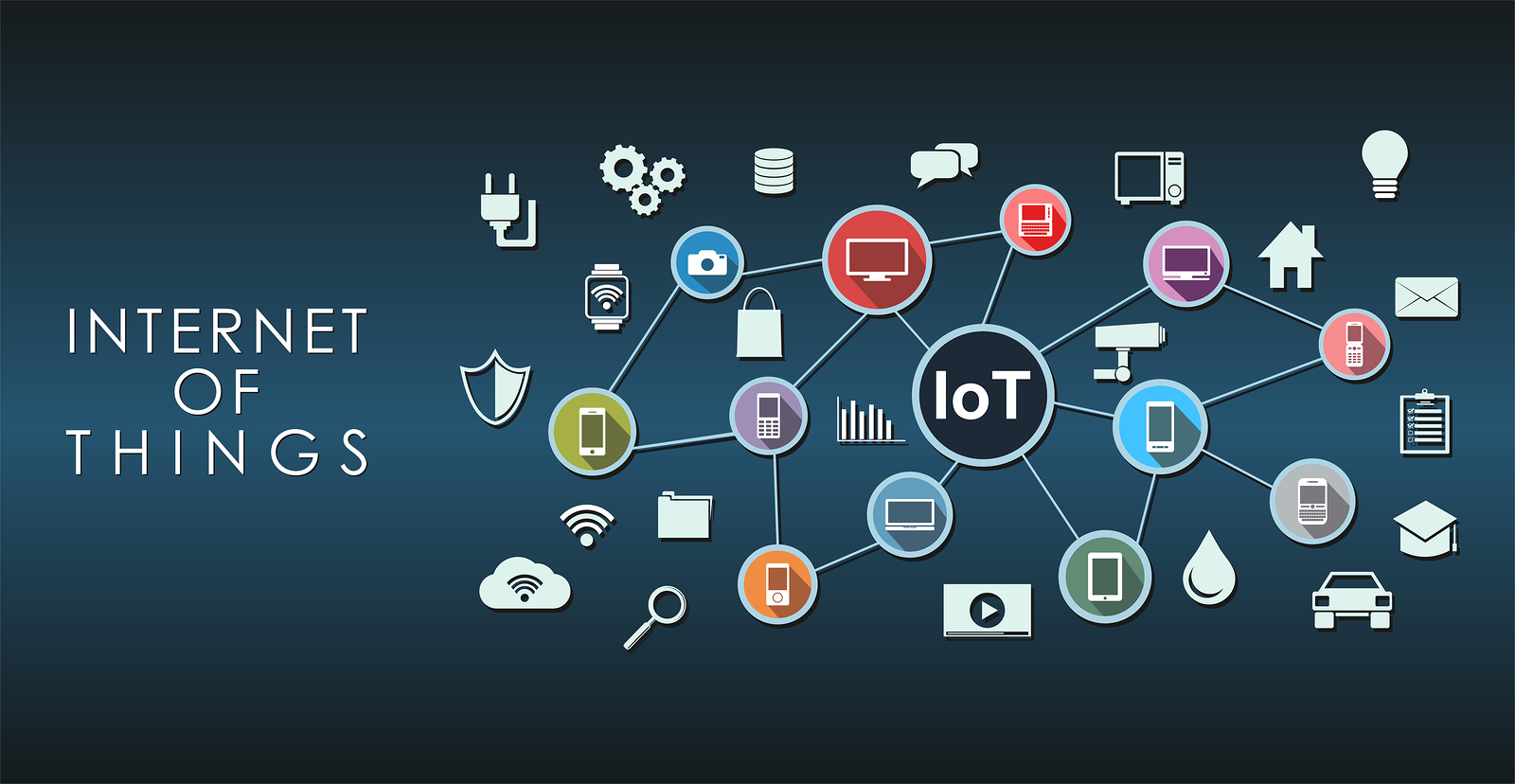
There is a manic proliferation of gadgets and devices that will ‘talk to each other’, the so-called ‘internet of things’. Such as the contents of your fridge communicating with your mobile phone whilst in the supermarket in order that you can purchase groceries that you need. Smart meters apparently communicating useful information to your energy supplier. And so on. These applications are clever and seemingly helpful – there is no doubt about that – but they come at a cost to the environment and our health. Because they operate via wireless microwave radiation.
Just within this last week I have returned to a house where a lot of effort has gone into reducing the EMFs to near zero because one of the occupants was severely electrohypersensitive, only to find a new boiler going in which is communicating wirelessly with the room thermostats. The result – disrupted sleep and a return of classic EHS symptoms.
Anyone who cares enough about the nearby pylon or mast should also be caring about their WiFi and mobile phone. They should attempt to find out what exactly they are bringing into their homes, how they perform their functions and how that operation may affect their health and well being. The ‘internet of things’ is everywhere and we need to be on the lookout for when and where we are introducing it into our homes.
Collectively people appear to be falling into the trap of believing that the absence of evidence (of harm caused) is the same as the evidence of absence (of harm caused). They are not the same. There is only one winner here and that is the industry making money from these endless variants of ‘helpful’ hardware and their associated applications. They give not a jot about your health.
Convenient, yes, that your fridge can tell you it’s nearly out of milk. But so can a shopping list! And no-one gets zapped from that kind of reminder.