
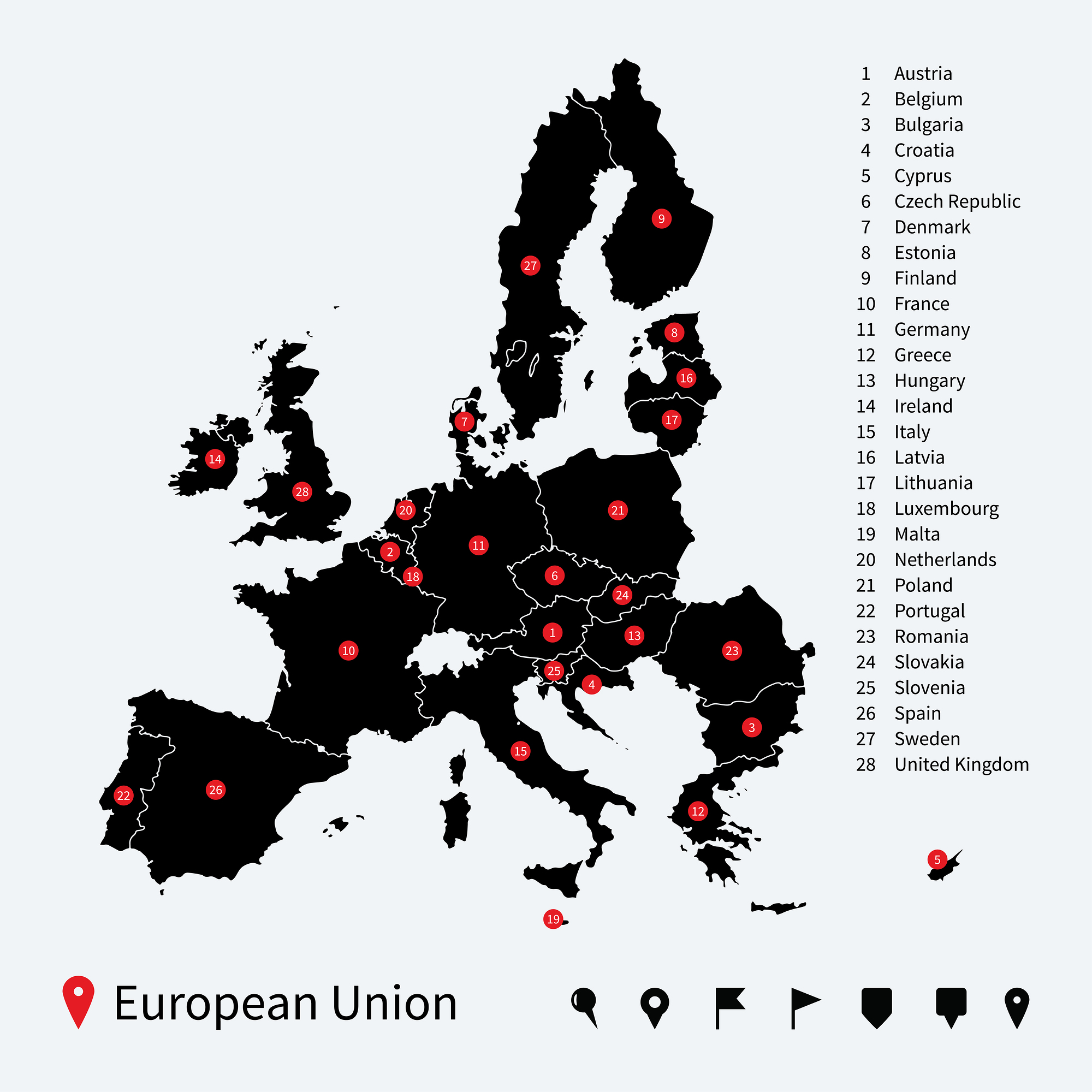
For as long as we have any presence in the EU, and possibly afterwards if our government retains this or a similar protocol, there is some protection for employees and an obligation on employers with respect to exposure to EMFs at work. In July 2016 an EU directive came into force which requires employers to undertake EMF surveys of workplaces and ensure levels are within ICNIRP recommended guidance. That’s not great because ICNIRP levels are widely regarded as being woefully inadequate and far too high to protect human health, BUT, ‘vulnerable groups’, namely pregnant women, people with medical implants, and individuals who are electrosensitive are afforded further protection. And it does give employers the ability to set their own limits, and many are choosing to do so at levels well below the ICNIRP ones and more in line with some of our European counterparts.
Essentially, as a legally non-binding document, this is largely only an exercise in awareness raising, but that represents a huge step forward from the ‘head-in-sand, everything-is-fine’ stance in respect of potential harm from exposure to electromagnetic fields which has been adopted until recently.
Most importantly, the rights of stated vulnerable groups are starting to be treated seriously. Electro-sensitivity, where severe, is being treated as a disability under the UK Equality Act 2010, and with that comes additional rights and legal protection, theoretically anyway.
But the question on everyone’s lips is how will Brexit affect us, right across the board. Let’s hope that the ground gained here in respect of safe working practice regarding EMFs is not lost.
For more specific information on the directive see here